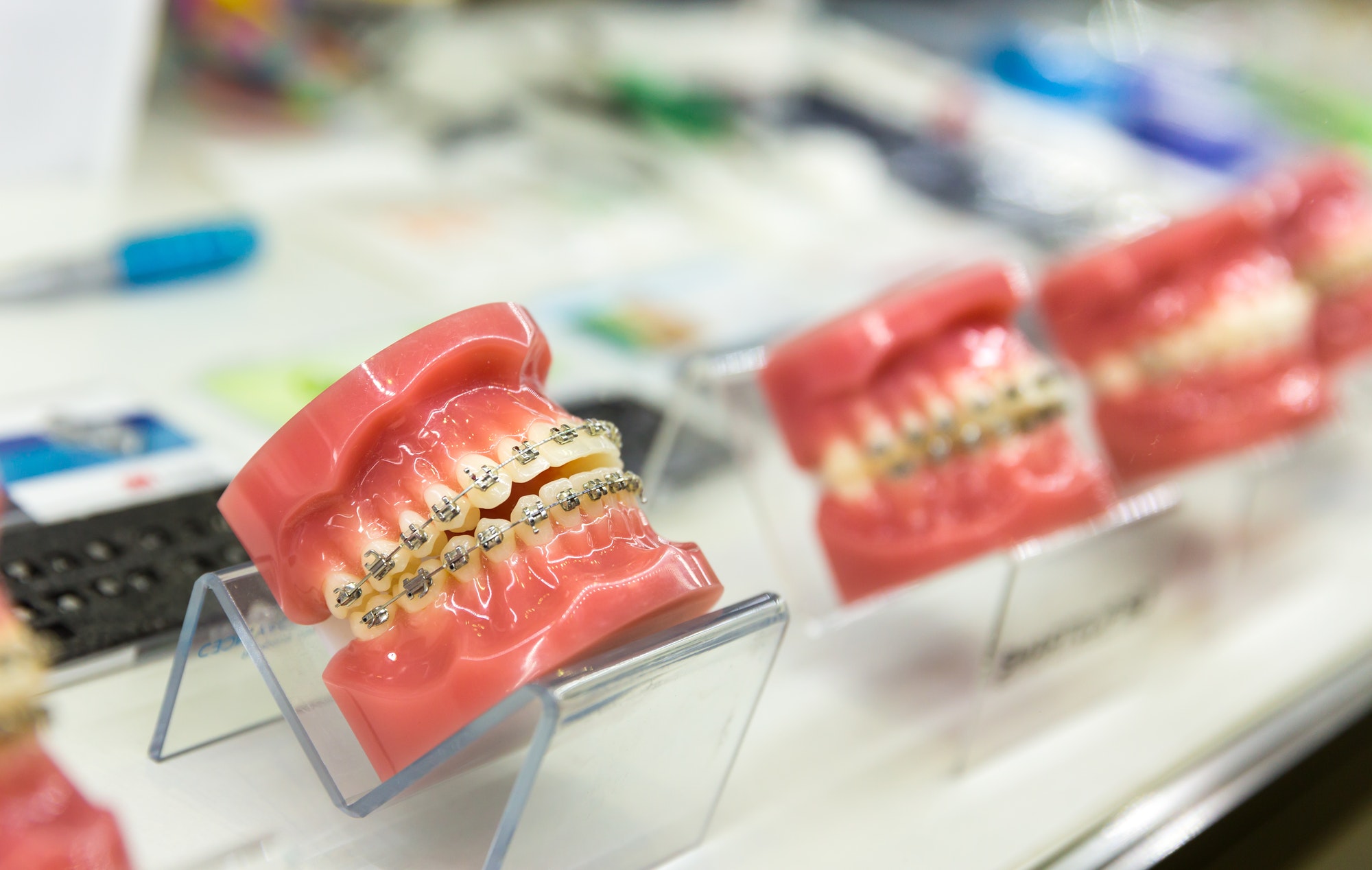
Orthodontics is the branch of dentistry that corrects teeth and jaws positioned improperly. Crooked teeth, and teeth that do not fit together correctly, are harder to keep clean, are at greater risk of being lost early to decay and gum disease, and place extra stress on the chewing muscles. That stress can lead to headaches, jaw problems, and neck, shoulder and back pain.
The benefits of treatment are a healthier mouth, a more pleasing appearance, and teeth that are more likely to last a lifetime.
How do I know if I need orthodontics?
You may be a candidate for treatment if you have any of the following:
- Overbite, sometimes called buck teeth, where the upper front teeth sit too far forward over the lower teeth
- Underbite, where the lower teeth sit too far forward, or the upper teeth too far back
- Crossbite, where the upper teeth do not come down slightly in front of the lower teeth when biting normally
- Open bite, a space between the biting surfaces of the front or side teeth when the back teeth are together
- Misplaced midline, where the centre of the upper front teeth does not line up with the centre of the lower
- Spacing, gaps between the teeth, from missing teeth or teeth that do not fill the arch
- Crowding, too many teeth for the dental ridge to accommodate
If any of these sound familiar, an assessment will tell you whether treatment is worth considering in your case.