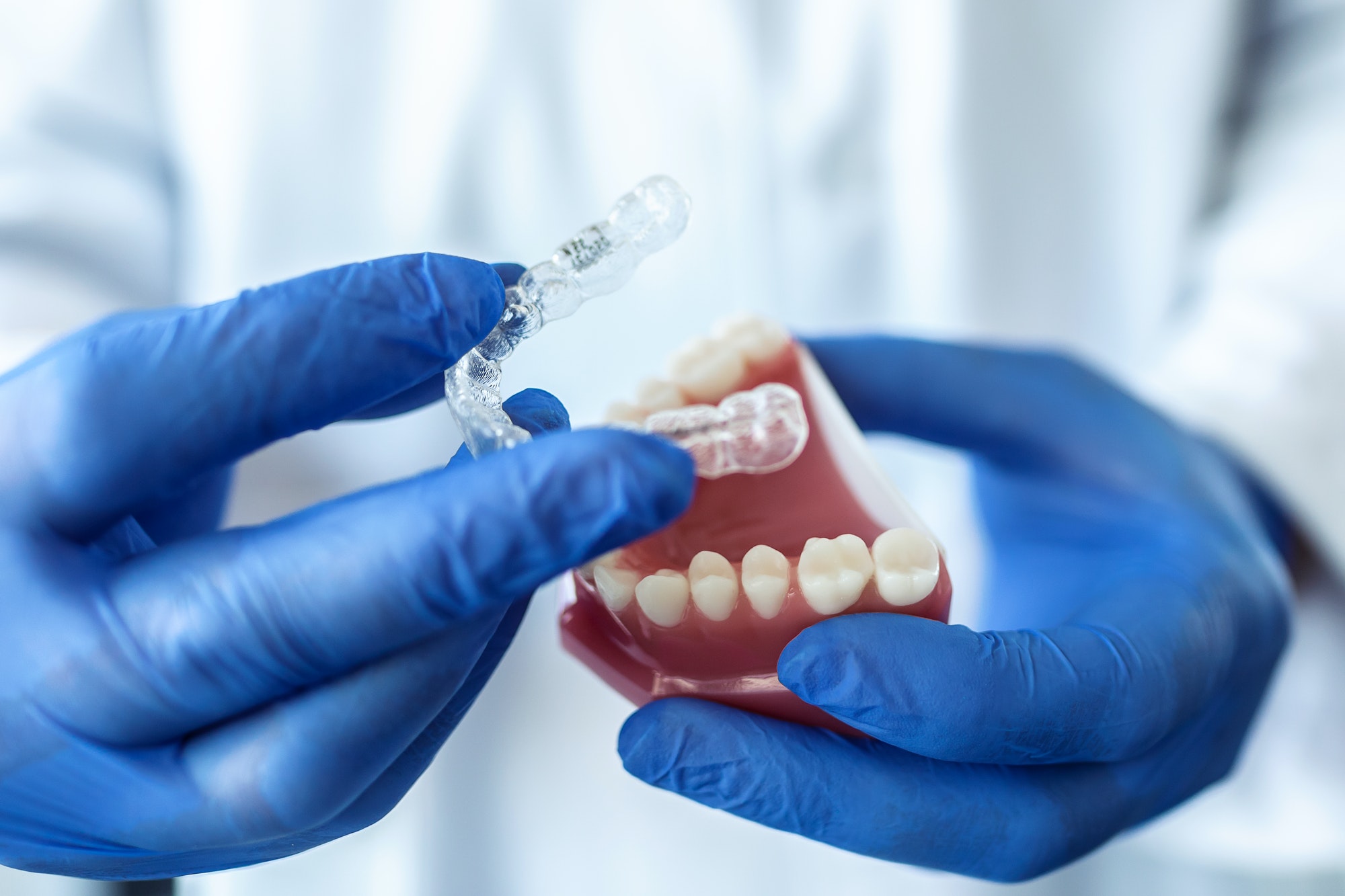
A veneer is a thin piece of porcelain used to recreate the natural look of a tooth, while providing strength and resilience comparable to natural tooth enamel. Veneers are custom made to the contour of your teeth and bonded to the tooth’s original enamel over a series of appointments.
They can be used to close gaps or correct small misalignments. Many patients choose them as a cosmetic solution to brighten their teeth and even out their smile, correcting discolouration, fractures or chips.
When veneers work well
- Teeth that are slightly out of position but do not warrant orthodontic treatment
- Discolouration that has not responded to whitening
- Chipped or fractured front teeth
- Small gaps between the front teeth
When they are not the right choice
- Insufficient tooth substrate, meaning too little enamel left to bond to
- Excessive spacing between the teeth
- Poor oral hygiene, or active decay
- Clenching and grinding habits, which put veneers at risk of fracture
- Moderate to severe misalignment or crowding, which needs orthodontics instead
Looking after veneers
Brush and floss exactly as you would your natural teeth, using a non-abrasive fluoride toothpaste. It is worth limiting coffee and other strongly staining foods and drinks.